
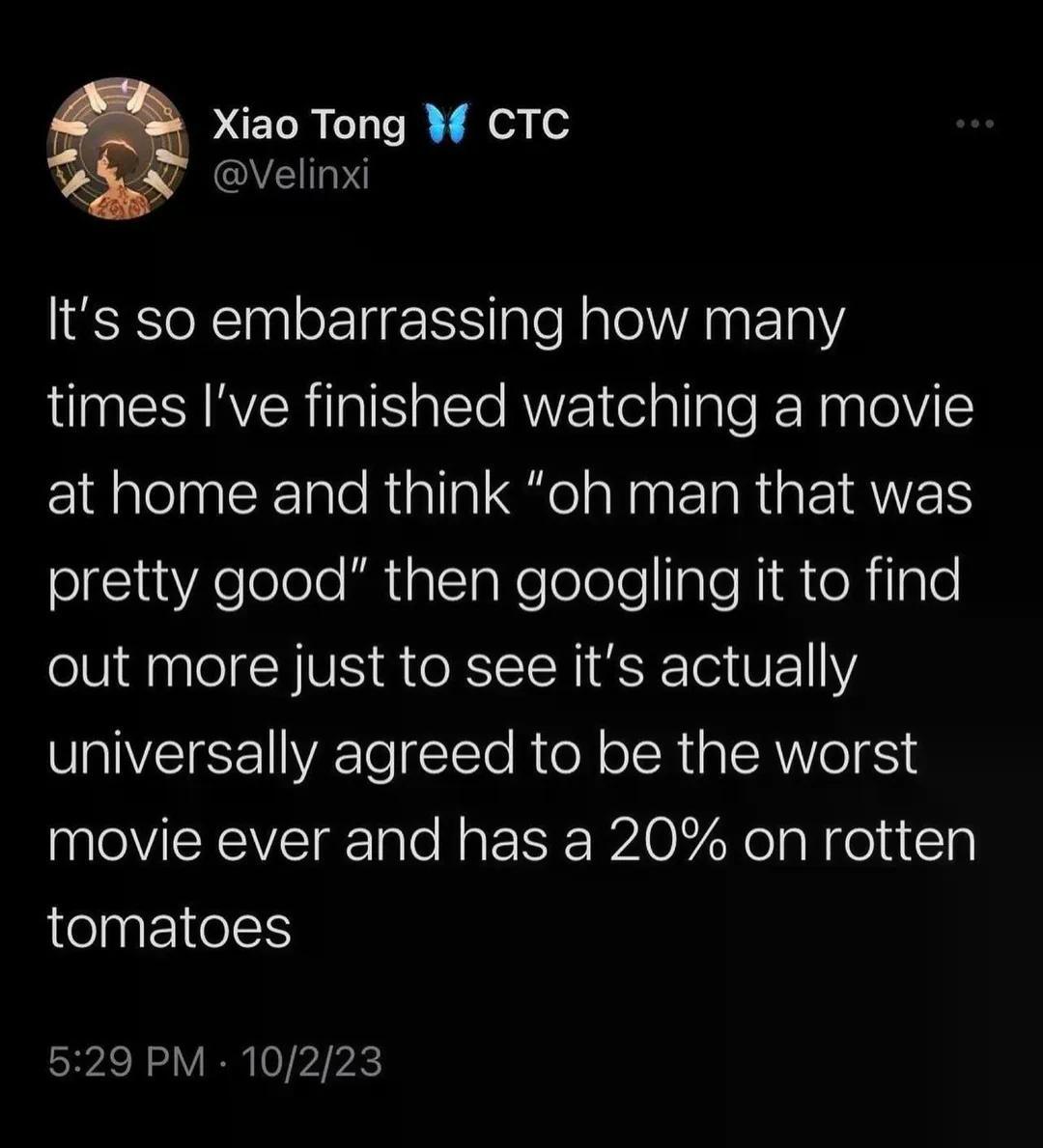
Rotten to Rad: Your Trust Barometer for the Big Screen
Introduction
Ever stood paralyzed in front of a movie theater marquee, a dizzying array of posters vying for your attention? Or scrolled endlessly through a streaming service, feeling more overwhelmed than entertained? You’re not alone. Navigating the cinematic landscape can feel like traversing a minefield of potential flops, leaving you with more regret than joy. We’ve all been there: shelling out hard-earned cash (and precious free time!) only to be subjected to a cinematic dud.
The problem isn’t just the wasted money; it’s the wasted experience. That feeling of sinking disappointment when the plot holes yawn wider than the Grand Canyon, the acting feels more like amateur hour, and the special effects look like they were rendered on a Commodore 64. It’s the realization that you could have spent those two hours doing something – anything – more rewarding.
The Rotten Reality: Short-Term and Long-Term Impacts
The immediate sting of a bad movie is annoying, sure. But the long-term implications are more significant than a simple refund could fix.
- The Erosion of Trust: Each bad movie experience chips away at your trust in the system. You start questioning the studios, the critics, even your own taste. This cynicism can lead to you retreating from cinema altogether, missing out on potentially great films.
- The Echo Chamber Effect: Fear of another flop can push us towards familiar territory – sequels, remakes, and predictable genres. This reinforces a cycle of safe (and often uninspired) filmmaking, stifling creativity and innovation.
- The Dilution of Value: When we’re bombarded with mediocre content, the genuinely brilliant films become harder to discover and appreciate. They get lost in the noise, their impact diminished by the sheer volume of cinematic sludge.
- The Social Disconnect: Movies are a shared cultural experience. Bad movies can lead to awkward post-viewing discussions, strained relationships, and the dreaded feeling of being the only one who hated the ‘critically acclaimed’ film.
So, how do we move from ‘Rotten’ to ‘Rad’ and reclaim control over our cinematic destinies? Fear not, fellow film fanatics, because the solutions are within reach.
The Rad Renaissance: Practical Solutions for Savvy Viewers
Here’s your toolkit to navigate the movie maze and emerge victorious, with a lineup of films you’ll actually enjoy.
- Beyond the Big Names: Diversify Your Sources:
- The Trap: Relying solely on mainstream movie review sites (you know the ones with the tomato-related scores) can be misleading. These often reflect a homogenous critical perspective, heavily influenced by studio marketing.
- The Solution: Branch out! Explore independent film blogs, niche websites specializing in your favorite genres, and even academic film journals. These sources offer more nuanced and diverse opinions.
- Example: Instead of just checking Rotten Tomatoes, explore Letterboxd to read reviews from everyday movie fans like you, with similar tastes.
- The Power of Word of Mouth: Leverage Your Network:
- The Trap: Blindly trusting anonymous online reviews can lead you astray. You don’t know the reviewer’s biases, their cinematic preferences, or even if they’re a real person.
- The Solution: Tap into your personal network. Ask friends, family, and colleagues for recommendations, focusing on those whose tastes align with yours. A heartfelt recommendation from a trusted source carries far more weight than a generic online rating.
- Example: Create a group chat dedicated to movie recommendations. Share what you’ve enjoyed, solicit feedback, and build a community of trusted cinematic advisors.
- Embrace the Festival Circuit: Discover Hidden Gems:
- The Trap: Sticking to mainstream releases means missing out on a wealth of independent and international films that often offer fresh perspectives and innovative storytelling.
- The Solution: Explore film festivals. Many offer online screenings and virtual Q&As, making them accessible to a wider audience. Even if you don’t attend physically, check out the festival winners and buzzworthy titles.
- Example: Following festivals like Sundance, Cannes, or Toronto can alert you to smaller films before they hit mainstream distribution, potentially uncovering the next indie darling.
- Sample Before You Splurge: Take Advantage of Trailers and Clips:
- The Trap: Going into a movie completely blind can be a gamble. You might be swayed by a compelling poster or a vague synopsis, only to be disappointed by the actual film.
- The Solution: Treat trailers as mini-reviews. Pay attention to the tone, the acting, the visuals, and the overall narrative. Watch extended clips or behind-the-scenes footage for a deeper dive.
- Example: Analyze the trailer – does it rely heavily on jump scares or cheap humor? Does the dialogue sound stilted or natural? Does the cinematography look visually appealing? These details can offer valuable insights.
- Be Genre-Savvy: Understand Your Preferences:
- The Trap: Assuming that all movies within a particular genre are created equal can lead to disappointment. Not every action film is a masterpiece, and not every romantic comedy is charming.
- The Solution: Develop a nuanced understanding of your genre preferences. Identify the specific elements that you enjoy, and use these as filters when choosing movies.
- Example: If you love science fiction, are you drawn to dystopian narratives, space operas, or philosophical explorations? Knowing your sub-genre preferences will help you narrow down your options.
- The Art of the Pause: Don’t Be Afraid to Walk Away:
- The Trap: The sunk cost fallacy – the feeling that you need to finish a bad movie simply because you’ve already invested time and money – can trap you in a cinematic purgatory.
- The Solution: Recognize that your time is valuable. If a movie isn’t resonating with you within the first 30 minutes, don’t be afraid to turn it off. Life is too short for bad movies.
- Example: Instead of forcing yourself to endure a film you hate, switch to something else you’ll actually enjoy. Your mental well-being will thank you.
From Cinematic Skeptic to Movie Maestro: Taking Action
Here’s how to put these solutions into practice:
- Challenge your current sources: Identify the platforms you use for reviews and add one new source you normally wouldn’t use.
- Take a poll: Ask your friends for the best and worst movies they have seen over the last year.
- Explore an Indie Film: Search out an independent film festival in your local area, and attend with friends.
Your Rad Future Awaits
Transforming from a victim of bad cinema to a connoisseur of quality entertainment is a journey, not a destination. By diversifying your sources, leveraging your network, embracing film festivals, analyzing trailers, understanding your genre preferences, and daring to walk away, you can reclaim control over your cinematic experience.
The power to curate your own ‘Rad’ movie lineup lies in your hands. So, go forth, explore, and discover the cinematic gems that await. The future of your movie nights is looking brighter than ever!