
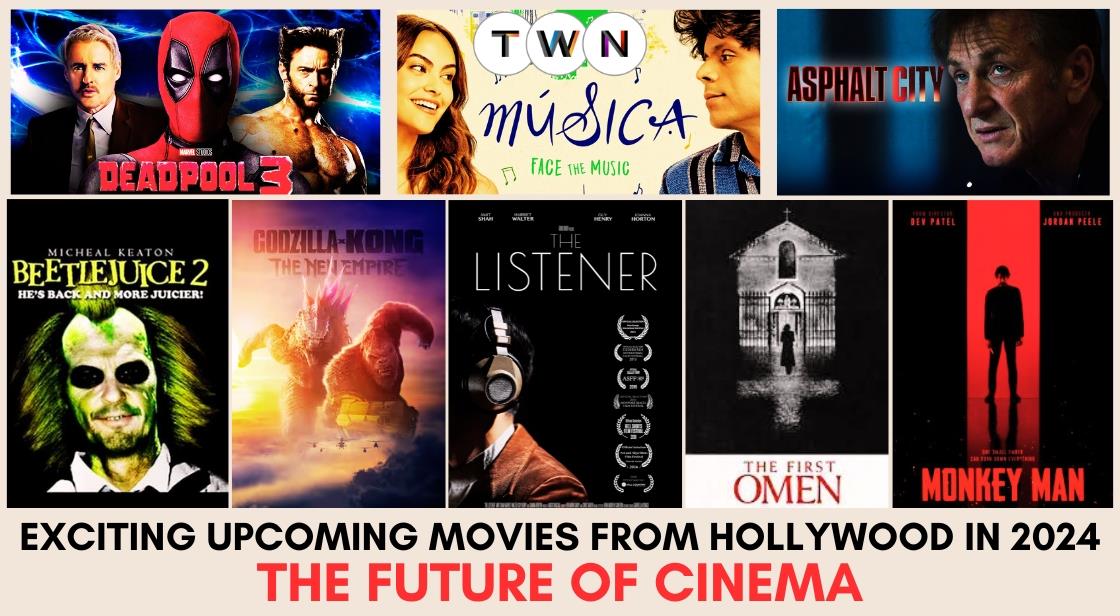
Hollywood’s Reckoning: New Films Redefine the Future
Introduction
Let’s be honest, Hollywood’s been feeling a bit… shaky lately, hasn’t it? Box office numbers are fluctuating wildly. Superhero fatigue is a real thing. And the rise of streaming services has completely flipped the script on how we consume movies. But amidst all this perceived chaos, something truly exciting is happening: Hollywood is facing a reckoning. And from the ashes, innovative films are emerging, not just entertaining, but actively redefining the future of the industry itself.
Forget the doom and gloom headlines for a minute. This isn’t a death knell; it’s a rebirth. The old models are crumbling, yes, but that’s creating space for something newer, bolder, and frankly, much more interesting to take their place.
The Short-Term Sting: What’s Causing the Trouble?
We’ve all seen the immediate effects. Empty seats in theaters. Big-budget blockbusters failing to live up to expectations. Studios scrambling for the next sure thing. But what’s really driving this upheaval?
- Content Overload: We are drowning in content. Streaming platforms are churning out shows and movies at an unprecedented rate, leading to a fractured audience and diminishing returns for individual projects. Standing out in the noise is harder than ever.
- Franchise Fatigue: Remember when every studio was desperately trying to launch the next Marvel Cinematic Universe? The oversaturation of sequels, prequels, and reboots has left audiences feeling burned out and craving originality.
- Changing Viewing Habits: The pandemic accelerated a trend that was already underway: watching movies at home. The convenience and affordability of streaming services have made it difficult to lure viewers back to the cinema.
- Lack of Representation: For years, Hollywood has been criticized for its lack of diversity both on and off screen. Audiences are increasingly demanding stories that reflect the real world, and they’re willing to vote with their wallets.
The Long-Term Impact: A New Hollywood is Taking Shape
These challenges, however, are forcing Hollywood to adapt, innovate, and ultimately, become more resilient. The long-term effects of this reckoning will reshape the industry in profound ways:
- Emphasis on Originality: With franchise fatigue setting in, studios are starting to recognize the value of original stories and unique voices. We’re seeing a renewed focus on smaller-budget films with compelling narratives and complex characters.
- Rise of Independent Cinema: Independent filmmakers have always been at the forefront of innovation, and their influence is growing. With more accessible technology and alternative funding models, they’re able to create high-quality films that challenge the status quo.
- Blurring Lines Between Platforms: The lines between streaming and theatrical releases are becoming increasingly blurred. We’re seeing more hybrid releases, where films are available in theaters and on streaming platforms simultaneously.
- Greater Diversity and Inclusion: The push for diversity and inclusion is leading to more authentic and representative stories being told on screen. This not only benefits audiences but also creates new opportunities for talented filmmakers from underrepresented backgrounds.
So, What Can Be Done? Practical Solutions for a Changing Landscape
Okay, so the landscape is shifting. What can filmmakers, studios, and even viewers do to navigate this new terrain and build a more sustainable and exciting future for Hollywood? Here are some practical approaches:
- Embrace Niche Audiences: Stop trying to appeal to everyone. Identify a specific niche audience and create content that caters to their unique interests and needs. This targeted approach can lead to greater engagement and loyalty. Example: A documentary about competitive birdwatching might not be a blockbuster, but it could find a dedicated audience within the birdwatching community.
- Experiment with New Storytelling Formats: Think beyond the traditional 90-minute narrative feature. Explore interactive storytelling, virtual reality experiences, or episodic content that can be consumed in bite-sized chunks. Example: The “Black Mirror: Bandersnatch” episode on Netflix allowed viewers to make choices that influenced the storyline, creating a unique and engaging experience.
- Prioritize Character Development: In a world of CGI spectacles and explosions, audiences are craving stories with relatable characters and emotional depth. Invest in strong writing and nuanced performances that resonate with viewers on a personal level. Example: Films like “Everything Everywhere All at Once” succeeded not because of their special effects, but because of the strong emotional core of the story and the compelling characters.
- Build Community: Cultivate a loyal fanbase by engaging with audiences online and offline. Host screenings, Q&As, and behind-the-scenes events that foster a sense of community. Example: The creators of the “Veronica Mars” revival used crowdfunding to gauge interest and build anticipation for the project, creating a strong connection with their fans.
- Embrace Collaboration: The old Hollywood model of top-down control is becoming obsolete. Embrace collaboration with other filmmakers, writers, and artists to create a more diverse and innovative creative ecosystem. Example: Independent film collectives often pool resources and share expertise to produce high-quality films on a shoestring budget.
- Diversify Funding Sources: Don’t rely solely on traditional studio financing. Explore alternative funding models like crowdfunding, grants, and private investment. Example: Many successful independent films have been financed through Kickstarter or Indiegogo campaigns.
- Champion Representation: Actively seek out and support filmmakers from underrepresented backgrounds. Create opportunities for diverse voices to be heard both on and off screen. Example: The Sundance Film Festival has been instrumental in launching the careers of many filmmakers from marginalized communities.
Alternative Approaches: Choosing What Works for You
The beauty of this moment in Hollywood history is that there’s no one-size-fits-all solution. Here are a few alternative approaches to consider:
- The “Indie Darling” Route: Focus on creating small-budget, character-driven films that prioritize artistic expression over commercial appeal. This approach allows for greater creative freedom and the opportunity to build a loyal following among cinephiles.
- The “Hybrid Hit” Strategy: Combine elements of both independent and mainstream filmmaking. Create films that are both artistically ambitious and commercially viable, targeting a wider audience while still maintaining a unique voice.
- The “Streaming Savior” Model: Embrace the streaming platform as a primary distribution channel. Create content that is specifically designed for the streaming audience, taking advantage of the platform’s reach and accessibility.
A Brighter Future Awaits
Hollywood’s reckoning is a challenge, yes, but it’s also an incredible opportunity. By embracing innovation, prioritizing originality, and fostering a more diverse and inclusive creative ecosystem, we can build a more sustainable and exciting future for the film industry.
The future of Hollywood isn’t about clinging to outdated models or chasing fleeting trends. It’s about embracing change, taking risks, and creating stories that resonate with audiences on a deeper level. It’s about empowering diverse voices and celebrating the power of storytelling in all its forms.
So, let’s not dwell on the past. Let’s look forward, embrace the change, and create a new Hollywood that is bolder, more inclusive, and more relevant than ever before. The stage is set, the cameras are rolling, and the future is waiting to be written. Are you ready to be part of the story?