
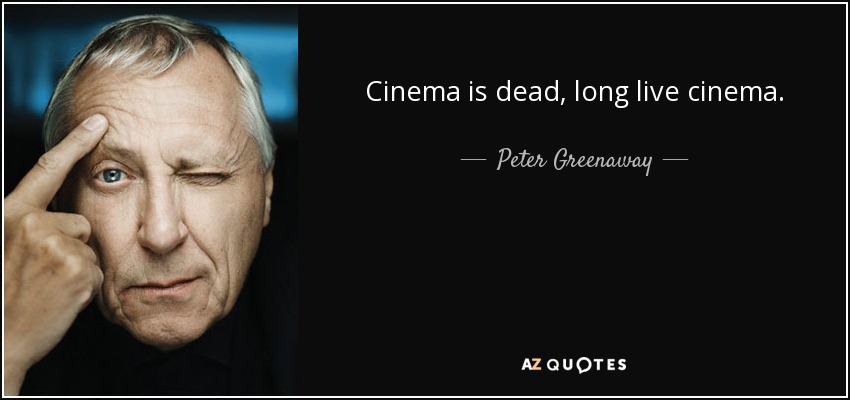
Cinema Is Dead. Long Live Cinema.
Introduction
Okay, let’s be honest. We’ve all heard it. Maybe even whispered it ourselves after scrolling through endless streaming options: “Is cinema dead?” The allure of a cozy night in, binge-watching the latest hit series, is undeniably strong. But before we start writing obituaries for the silver screen, let’s pump the brakes and delve deeper. Because while cinema as we knew it might be undergoing a radical transformation, the art form itself? Far from deceased. In fact, it might just be on the cusp of a thrilling renaissance.
The Short-Term Flicker: Why Cinema Feels Like It’s Fading
The reasons for this perceived decline are multifaceted and hard to ignore. The most obvious culprit? Streaming services. With platforms like Netflix, Amazon Prime, and Disney+ churning out content at breakneck speed, the readily available, diverse library right at our fingertips has undeniably siphoned viewers away from theaters.
Couple this with the increasing cost of movie tickets, overpriced concessions (seriously, who can afford that popcorn?), and the potential for disruptive fellow moviegoers, and suddenly the comfort of your own couch seems a whole lot more appealing.
The pandemic, of course, threw fuel on the fire. Movie theaters shuttered worldwide, accelerating the adoption of streaming services and changing viewing habits, maybe permanently. We got used to watching blockbuster releases from the comfort of our living rooms.
Furthermore, the kinds of films that reliably filled theaters seem to be shifting. Big-budget superhero flicks and established franchise sequels dominate the box office, often leaving smaller, independent films struggling for visibility. It creates a self-fulfilling prophecy: fewer diverse films shown, fewer diverse audiences attracted, leading to a more homogenous cinematic landscape.
Long-Term Exposure: The Potential Consequences
The immediate impact is clear: struggling theaters, fewer independent productions, and a potential narrowing of cinematic voices. But what are the long-term consequences if we let this trend continue unchecked?
- Homogenization of Content: If only blockbuster franchises thrive, we risk losing the diverse stories and perspectives that make cinema such a powerful art form. We risk a cultural monoculture, where nuance and originality are sacrificed for predictable, commercially safe narratives.
- Loss of the Shared Experience: The collective experience of watching a film in a darkened theater, laughing, crying, and reacting with a crowd, is unique and valuable. It fosters a sense of community and shared cultural understanding that’s difficult to replicate at home.
- Diminished Support for Emerging Filmmakers: Independent theaters and film festivals often serve as crucial launchpads for emerging filmmakers. If these platforms decline, it becomes harder for new voices to break through and challenge the status quo.
- Economic Impact on Local Communities: Movie theaters are often anchors in local communities, supporting other businesses and providing jobs. Their decline can have a ripple effect, impacting the economic vitality of the surrounding area.
Rewinding the Narrative: Practical Solutions to Revitalize Cinema
So, what can be done? How do we ensure that cinema jawabet88 rtp doesn’t just survive, but thrives in the age of streaming? The answer lies in a multi-pronged approach that focuses on enhancing the theatrical experience, diversifying content, and supporting the next generation of filmmakers.
Here are some practical solutions:
- Reinventing the Theatrical Experience:
- Premium Experiences: Theaters need to offer experiences that can’t be replicated at home. Think luxury seating, gourmet food and beverage options, immersive sound and visual technologies (like IMAX or Dolby Cinema), and curated events like director Q&As or themed screenings.
- Example: Alamo Drafthouse Cinemas are renowned for their dine-in movie experiences, strict no-talking policies, and unique programming. This creates a more premium and respectful environment that justifies the cost of admission.
- Community Hubs: Transform theaters into community hubs by hosting events like film clubs, workshops, and screenings of local filmmakers’ work. This turns the theater into more than just a place to watch movies; it becomes a cultural center.
- Premium Experiences: Theaters need to offer experiences that can’t be replicated at home. Think luxury seating, gourmet food and beverage options, immersive sound and visual technologies (like IMAX or Dolby Cinema), and curated events like director Q&As or themed screenings.
- Diversifying Content and Accessibility:
- Support Independent Films: Theaters should dedicate screen time to independent, foreign, and documentary films. Offer discounted tickets for these screenings or partner with local film organizations to promote them.
- Example: The Sundance Film Festival is crucial for launching independent films and giving them wider exposure. Theaters can capitalize on this by showcasing Sundance selections throughout the year.
- Flexible Pricing: Implement tiered pricing models based on the time of day, day of the week, or film type. Consider offering student discounts, senior discounts, or family packages to make cinema more accessible to different demographics.
- Embrace Niche Audiences: Tailor screenings to specific interests. Organize themed movie nights (e.g., horror, sci-fi, classic films), or host screenings with subtitles or audio descriptions to cater to diverse audience needs.
- Support Independent Films: Theaters should dedicate screen time to independent, foreign, and documentary films. Offer discounted tickets for these screenings or partner with local film organizations to promote them.
- Empowering Filmmakers and Education:
- Film Education Programs: Offer workshops and classes on filmmaking, screenwriting, and film appreciation to nurture the next generation of storytellers and film enthusiasts. Partner with local schools and universities to offer educational programs.
- Crowdfunding and Grants: Support filmmakers through crowdfunding campaigns or by establishing grants specifically for independent films. This can help alleviate the financial burden and allow for more creative risks.
- Mentorship Programs: Pair emerging filmmakers with experienced professionals in the industry. This provides invaluable guidance, networking opportunities, and support to help them navigate the challenges of the film world.
- Embracing the Digital Age (Without Sacrificing the Theatrical Experience):
- Hybrid Release Models: Explore hybrid release models that combine theatrical releases with streaming availability. This allows audiences to choose how they want to experience the film, while still giving theaters a chance to generate revenue. A staggered release, where the film is available on streaming after a certain theatrical window (say, 45 days), is a good compromise.
- Interactive Screenings: Use technology to create more interactive and engaging theatrical experiences. Imagine audiences voting on plot points, participating in quizzes related to the film, or even interacting with characters on screen through augmented reality.
The Sequel: An Optimistic Ending
The cinematic landscape is undoubtedly changing, but that doesn’t mean cinema is dying. It means it’s evolving. The challenge is to adapt, innovate, and ensure that the magic of the shared cinematic experience isn’t lost. By embracing these solutions, we can revitalize theaters, diversify content, and empower the next generation of filmmakers to tell their stories.
The future of cinema isn’t a bleak, dystopian wasteland. It’s a blank canvas, waiting to be filled with new ideas, innovative approaches, and a renewed appreciation for the power of storytelling. So, let’s not write its obituary just yet. Instead, let’s roll up our sleeves, get creative, and write the next chapter in cinema’s exciting, ever-evolving story. The final scene is far from written. The show must go on, and it can be better than ever.