
“`html
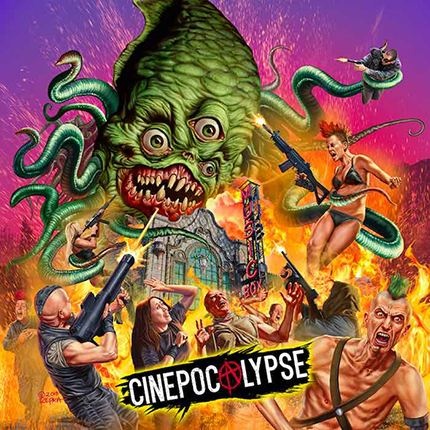
Cinepocalypse:Hope Arrives on Screen
Introduction
Okay,let’s be honest.The movie world has felt a little…apocalyptic lately,right?”Cinepocalypse”might sound dramatic,but it’s not far from the truth.We’re bombarded with sequels,reboots,anda seemingly endless stream of superhero flicks.Independent films struggle to break through,original stories are harder to find,and the whole cinematic landscape feels a bit…stagnant.But before you grab your popcorn and resign yourself to a future of formulaic filmmaking,hold on.There’s hope.And it’s arriving on screen,one innovative project,one passionate filmmaker,and one engaged audience member at a time.
This isn’t just some vague,hopeful sentiment.We’re talking about concrete changes,tangible solutions,anda growing movement that’s ready to inject some much-needed life back into the heart of cinema.
The Shadows of the Cinepocalypse:Understanding the Problem
So,what exactly is causing this perceived “cinepocalypse”?It’s a complex web of interconnected issues,impacting both the short and long term:
- Short-Term:The Blockbuster Bubble:The obsession with blockbuster films,particularly superhero franchises,has created a self-perpetuating cycle.Studios prioritize these sure-fire hits,leaving less room for risk-taking and original ideas.This translates to a homogenous movie slate,often sacrificing artistic merit for mass appeal.We’re seeing the consequences immediately – lower audience engagement with generic content,struggling smaller theaters,anda general feeling of creative burnout.
- Long-Term:Creative Drought and Talent Drain:When studios are afraid to take risks on new voices and innovative storytelling,it stifles creativity.Talented writers,directors,and actors might be discouraged from pursuing their passion,leading to a “talent drain”where the best minds seek opportunities elsewhere.This long-term consequence threatens the very foundation of cinematic art,leaving future generations with a less diverse and inspiring film culture.Imagine a world where the next generation of Scorcese or Tarantino never gets a chance.Scary,right?
- The Indie Film Struggle:Indie films,the lifeblood of innovation,face significant hurdles.Funding is scarce,distribution is challenging,and marketing budgets are minuscule compared to the big studio players.This makes it incredibly difficult for independent filmmakers to reach audiences and sustain their craft.Think of all the potentially groundbreaking stories that never see the light of day because they lack the resources to compete.
- Changing Audience Habits:The rise of streaming services,while offering convenience,also presents challenges.The sheer volume of content can lead to “choice paralysis,”and algorithms often prioritize popular titles,making it harder for independent films to gain traction.While streaming provides accessibility,it also competes directly with the traditional theatrical experience,which many argue is crucial for immersing oneself in a film and appreciating its artistic vision.
The Light on the Horizon:Practical Solutions for a Brighter Future
Okay,enough doom and gloom.Let’s talk about solutions.The good news is,there are plenty of ways to combat the cinepocalypse and usher in a new era of cinematic hope.
1.Empowering Independent Filmmakers:
- Crowdfunding and Grants:Platforms like Kickstarter and Indiegogo have revolutionized film financing,allowing filmmakers to connect directly with audiences and raise funds for their projects.Organizations like the Sundance Institute also offer grants and mentorship programs to support emerging talent.Example:The success of films like “Veronica Mars”(2014)and “Kung Fury”(2015),both heavily funded through crowdfunding,demonstrates the power of audience support.
- Micro-budget Filmmaking:Embracing limitations can spark creativity.Shooting with minimal equipment,utilizing local talent,and focusing on compelling storytelling can result in powerful and impactful films.Example:The film “Primer”(2004),made for just $7,000,gained critical acclaim for its ingenious plot and innovative use of resources.
- Film Festivals and Indie Distribution:Attending film festivals like Sundance,Cannes,and Toronto can provide invaluable exposure for independent films.Partnering with independent distribution companies can help filmmakers reach wider audiences beyond the festival circuit.
2.Fostering Original Storytelling:
- Supporting Screenwriting Initiatives:Investing in screenwriting workshops,competitions,and development programs can help nurture original voices and bring fresh perspectives to the screen.
- Encouraging Risk-Taking:Studios need to be more willing to take risks on unconventional stories and emerging talent.This requires a shift in mindset from prioritizing guaranteed returns to embracing artistic innovation.
- Championing Diversity and Inclusion:Amplifying the voices of underrepresented communities can lead to richer and more diverse storytelling that reflects the world we live in.
3.Cultivating an Engaged Audience:
- Supporting Local Theaters:Attending independent cinemas and supporting their programming helps keep the theatrical experience alive and provides a platform for independent films.
- Active Film Criticism and Discourse:Engaging in thoughtful discussions about films,both online and offline,can help elevate the conversation and encourage critical thinking.
- Seeking Out Diverse Content:Actively seeking out films from different genres,cultures,and filmmakers can broaden our cinematic horizons and challenge our perspectives.Don’t rely solely on the algorithm;explore!
4.Embracing Technological Innovation:
- Virtual Reality(VR)and Augmented Reality(AR):Exploring the potential of VR and AR to create immersive and interactive cinematic experiences can push the boundaries of storytelling.
- Streaming Platforms with Curated Content:Supporting streaming services that prioritize independent films and curated content can help these films reach wider audiences.Example:Platforms like MUBI and Criterion Channel offer carefully selected films from around the world,providing a valuable alternative to mainstream streaming services.
- Interactive Filmmaking:Allowing audiences to participate in the narrative through interactive storytelling techniques can create a more engaging and personalized cinematic experience.
Alternative Approaches:A Menu of Hope
It’s important to recognize that there’s no single “magic bullet”solution.The cinepocalypse requires a multi-faceted approach.Here are some alternative approaches to consider:
- Community-Based Filmmaking:Creating films collaboratively within local communities,fostering a sense of ownership and participation.
- Film Education in Schools:Integrating film studies into school curricula can help cultivate a new generation of cinephiles and filmmakers.
- Tax Incentives for Independent Films:Advocating for government policies that provide tax incentives for independent film production can level the playing field and encourage investment in original storytelling.
The Final Scene:A Call to Action
The cinepocalypse might feel daunting,but it’s not irreversible.Hope is arriving on screen,driven by passionate individuals,innovative projects,anda growing movement to revitalize the cinematic landscape.
The solutions outlined above are practical,applicable,and within our reach.Whether you’re a filmmaker,an audience member,or simply a lover of cinema,you have a role to play in shaping the future of film.
So,what can you do today?
- Support an independent film.
- Attend a local film festival.
- Engage in a thoughtful discussion about a movie.
- Share this article with someone who loves film.
Let’s work together to turn the tide and create a brighter,more diverse,and more inspiring cinematic future.The story of cinema is far from over.In fact,it’s just getting started.And you can be a part of writing the next chapter.The credits are rolling,but the hope is just beginning.
“`