
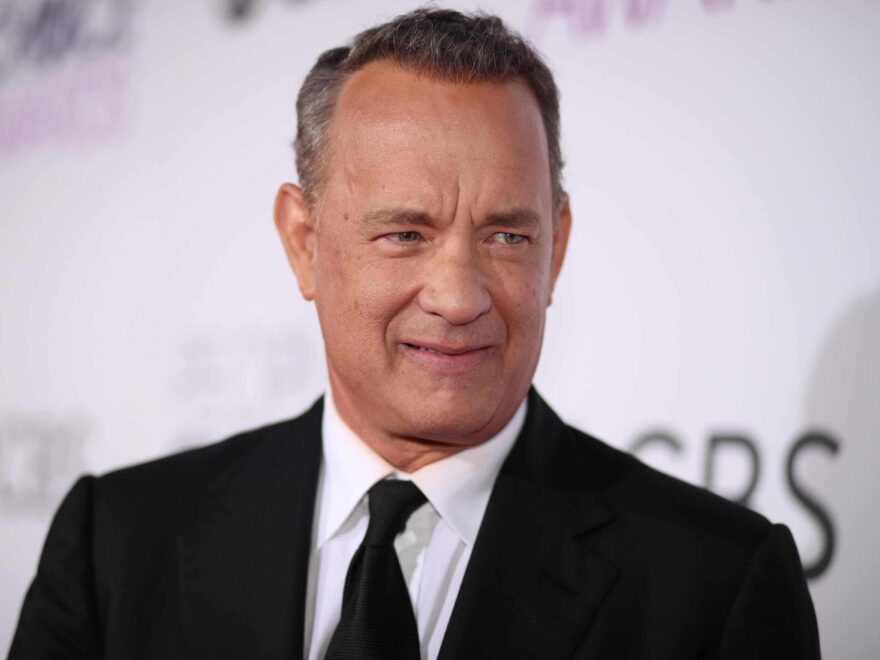
Tom Hanks Warns Against Deceptive AI Ads Using His Image
Tom Hanks, one of Hollywood’s most beloved actors, recently took to social media to warn fans about the misuse of his image in deceptive AI-generated advertisements. The actor expressed concern that his likeness had been digitally replicated without his consent to promote a product, raising serious questions about the ethical implications of AI technology in advertising and the growing problem of deepfakes.
Hanks’ Warning
In a post shared across his social media platforms, Hanks informed his followers that his image was being used in an advertisement for a dental plan, which he had no affiliation with. He explained that the ad featured an AI-generated version of himself, creating the false impression that he was endorsing the product. Hanks urged his fans to be cautious and not be misled by such deceptive practices.
“Beware!” Hanks wrote in his post. “There’s a video out there promoting some dental plan with an AI version of me. I have nothing to do with it.”
Hanks’ warning underscores a growing issue in the entertainment industry, where AI technology is increasingly being used to create hyper-realistic digital replicas of celebrities, often without their permission. As these technologies become more advanced and accessible, the potential for misuse has raised concerns among public figures, legal experts, and the general public.
The Rise of Deepfakes and AI in Advertising
AI-generated images and deepfake technology have made headlines in recent years for their ability to create convincing digital replicas of people, often blurring the lines between reality and fiction. While this technology has legitimate uses in fields such as filmmaking and visual effects, it has also been used in more controversial ways, such as creating fake news, spreading disinformation, and, in Hanks’ case, creating misleading advertisements.
Deepfake technology uses machine learning algorithms to superimpose one person’s face onto another’s body in a video, creating a seamless and realistic-looking image. With enough data, these algorithms can create a digital version of someone that mimics their facial expressions, voice, and even mannerisms. In the wrong hands, this technology can be used to impersonate public figures, spread false information, or, as in Hanks’ case, promote products without the person’s consent.
In the advertising world, deepfakes and AI-generated images present a unique opportunity—and challenge. Brands can use AI to create ads that feature celebrities without needing to schedule expensive and time-consuming photoshoots or video productions. However, this technology also opens the door to unethical practices, such as using a celebrity’s likeness without their approval, leading to deceptive and potentially harmful advertisements.
Legal and Ethical Concerns
The unauthorized use of a celebrity’s image raises serious legal and ethical questions. In many countries, including the United States, individuals have a “right of publicity,” which allows them to control how their name, image, and likeness are used commercially. Violating this right can result in lawsuits and financial penalties.
However, the rapid advancement of AI technology has outpaced existing laws, creating a gray area where deepfake videos and AI-generated images are concerned. Legal experts argue that current intellectual property laws were not designed to address the complexities of AI-generated content, leaving celebrities and everyday people vulnerable to exploitation.
Hanks’ warning brings attention to the need for updated regulations that address the use of AI in creating digital replicas of individuals. As deepfake technology becomes more widespread, there is growing pressure on lawmakers to establish clearer guidelines and protections for individuals whose likenesses are being used without their consent.
The entertainment industry is also grappling with this issue. Hollywood unions, including the Screen Actors Guild-American Federation of Television and Radio Artists (SAG-AFTRA), have expressed concern over the potential misuse of AI technology in creating digital performances of actors. These unions are pushing for stronger protections for performers, ensuring that their digital likeness cannot be used without fair compensation and approval.
The Broader Implications of AI in Media
Tom Hanks’ warning is just the latest example of how AI is disrupting the media and entertainment landscape. From digital performances to deepfake videos, AI is changing the way content is created and consumed. While this technology offers exciting possibilities for innovation, it also presents significant challenges when it comes to ethics, privacy, and the protection of individual rights.
For celebrities like Hanks, the stakes are particularly high. Their likeness is not just a personal asset but a valuable part of their brand and livelihood. Unauthorized use of their image can harm their reputation and result in financial losses. But the issue extends beyond the entertainment industry—everyday people are also at risk of having their images used in ways they did not consent to, whether in misleading advertisements, fake news, or worse.
The rise of AI in advertising and media raises critical questions about the future of digital content creation. How can we balance innovation with respect for individual rights? What safeguards need to be in place to prevent the misuse of AI-generated images? And how can consumers protect themselves from being deceived by deepfake ads?
Conclusion
Tom Hanks’ warning about the misuse of his image in an AI-generated ad is a wake-up call for both consumers and the entertainment industry. As AI technology continues to advance, the potential for misuse will only grow, making it more important than ever to establish clear ethical guidelines and legal protections.
For now, Hanks’ advice is clear: Be cautious when you see ads featuring familiar faces, especially if they seem too good to be true. As AI deepfakes become more prevalent, it’s essential for both celebrities and the general public to stay vigilant and demand transparency from advertisers and tech companies alike.